People, Data and AI - a joint event produced by BCS and DAMA UK
An event summary and slides (download)
.png)
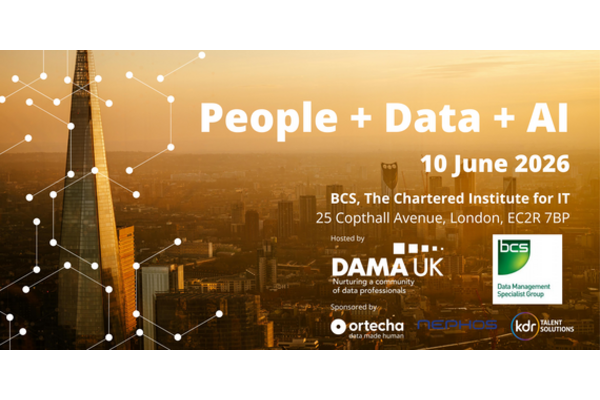
On 10 June 2026, DAMA UK joined forces with BCS for the People, Data and AI Conference in London, a full day of keynotes, panel discussions and hands-on workshops. The theme running through the day was a simple one: however quickly the technology moves, it is people who determine whether data and AI actually deliver value. With a packed programme of speakers from across the data community, and plenty of time for networking over coffee and, later, drinks, the day balanced honest reflection with practical advice.
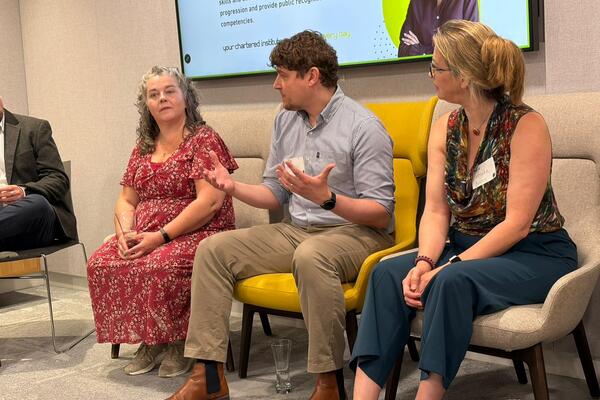
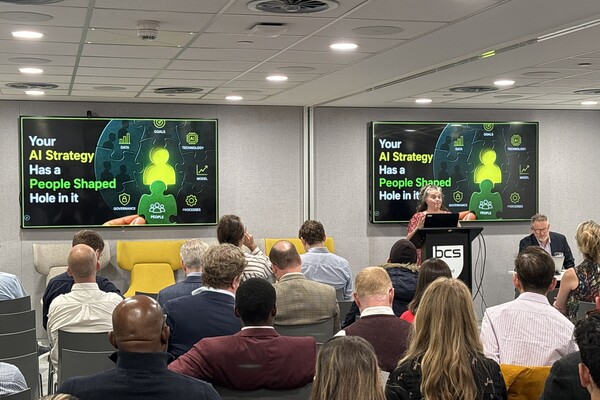
Nicola Askham, The Data Governance Coach, opened proceedings with her plenary keynote, arguing that AI has just run the biggest proof of concept for data governance in history, and that most organisations have failed it. Citing new research showing that 88% of organisations claim to have the data readiness needed for AI while 43% admit data readiness is their biggest obstacle, she made the case that good data has always been a people problem, and that most AI strategies have a people shaped hole in them. A lively panel discussion on the changing shape of data roles followed, hosted with KDR.
Lee Biggenden of Nephos Technologies picked up the theme with his keynote on data quality in the age of generative AI. His message was stark: AI does not absorb data quality problems, it amplifies them, and the six classic data quality dimensions now need two more, lineage and semantic clarity, if organisations are to stand behind AI outputs in front of regulators and customers alike. The panel that followed explored data quality tooling in an AI world, before Dr Chris Pounder of Amberhawk turned the working lunch into a masterclass on GDPR in the AI age, covering lawful bases for AI pilots, pseudonymisation, and the implications of the EU AI Act and the Data (Use and Access) Act 2025.
The afternoon opened with David Geere on culture, collaboration and data leadership, exploring why you need a data culture and how to build one that wins. His five principles, start with purpose, invest in people not just platforms, be transparent by default, acknowledge politics and power, and lead by example, clearly struck a chord with the room and set up another thoughtful panel discussion on data leadership.
Professor Elena Simperl of King's College London then presented findings from a major new study of public attitudes to AI and the future of work, titled More Fear Than Hope. Drawing on surveys of more than 4,500 people across the general public, young people, university students and employers, she revealed a striking optimism gap: two thirds of employers believe AI will create more jobs than it eliminates, yet only 28% of the public agree, and 65% believe the economic benefits will flow mainly to wealthy investors and large companies.
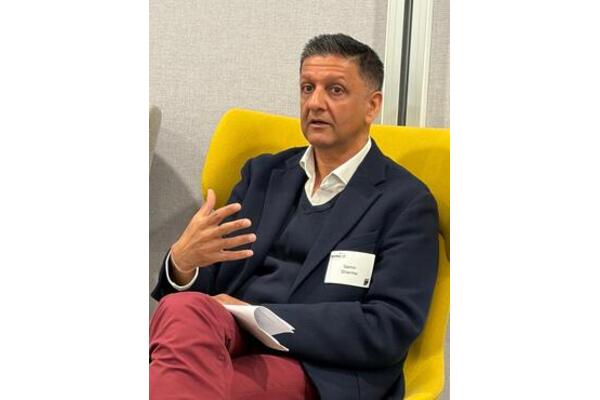
Samir Sharma of Datazuum then brought the formal programme to a close with an interactive workshop on his Data and AI Strategy Canvas, challenging the room to start with business outcomes rather than technology, because 85% of data and AI projects still fail to deliver measurable business value.
If there was one message to take away from the day, it was this: the organisations that succeed with AI will not be the ones that deploy it fastest, but the ones that invest in their people, their culture and their data foundations while everyone else scrambles to retrofit theirs. Our thanks go to all of the speakers, panellists and delegates who made the day such a success, and to BCS for partnering with us on the event. Keep an eye on the DAMA UK website for news of future events.